Singapore Developer Exemption of Qualifying Charges
24 Jan, 2022
Category: Real Estate
Tags: Singapore
Singapore Developer Exemption of Qualifying Charges
The Qualifying Certificate (QC) is a scheme imposed on foreign property developers, which includes listed developers as foreigners can own shares in such companies. It applies in all parts of Singapore except developers who bought land through the Government Land Sales programme and developments on Sentosa Cove.
Under the QC, foreign developers need to meet two requirements:
· 1) Any property development must be completed within 5 years of the land being bought, which means obtaining its Temporary Occupancy Permit (TOP) within five years.
· 2) The developer must sell all the units in its project within 2 years of receiving the TOP.
A developer has to give the Singapore government a banker’s guarantee amounting to 10% of the land price when they purchase the land. This amount is forfeit if they fail to meet the conditions above.
If the developer cannot meet the deadline, they can seek an extension of up to 3 years. However, there is an extension charges which are pro-rated based on the number of unsold units. Extension charges are calculated based on a percentage of the land purchase price.
1st year: 8%; 2nd year: 16%; 3rd year: 24%
Also, the developer is not allowed to rent out the unsold properties to offset the costs.
The Singapore government imposed QC to prevent land-hoarding. This is when developers buy up land, but don’t develop them, or do so very slowly. This would reduce the supply of available housing, thus driving up demand and prices.
QC also has an indirect effect on keeping home prices down. When developers must sell within a tight time frame, they are less able to inflate prices; they may also be inclined to discount unsold units to meet QC requirements
However, the QC rules isn’t helpful to homeowners who want an en-bloc as the developers have to factor in the risk of not meeting the QC. In particular, the QC can be an impediment to en-bloc sales involving larger land plots. Mega-projects take a longer time to build and sell and the seven-year time limit might be insufficient.
This is going to change impending the rules announced by the Ministry of Law on 6 February 2020.
The new law will allow publicly listed housing developers with a substantial connection to Singapore to be treated as a Singapore company as long as it fulfil either one of the following two conditions:
1) 1) Substantial shareholders who are Singapore citizens, Singapore companies or Singapore Government entities holding at least 50 per cent interest in the voting rights and issued shares in the company
2) The largest single substantial shareholder is a Singapore citizen, Singapore company or a Singapore Government entity and holding at least 25 per cent interest in the total voting rights and issued shares in the company.
In addition, the housing developer has to be incorporated in Singapore, with the SGX being its primary listing and Singapore its principal place of business. In addition, the company's chairperson and majority of its board must be Singapore citizens. It also has to have a track record here.
The new guideline has helped listed developers with their cash flow because they will not be required to place a security deposit amounting to 10% of the land purchase price with the Controller of Residential Property anymore.
Besides easing the cash flow pressure on developers, the relaxing of rules also help to build a more sustainable property market in Singapore. In the past, listed developers who had scooped up sites in the en bloc cycle of 2017-2018 such as CapitaLand, UOL Group, City Developments, Oxley Holdings and Bukit Sembawang has no choice but to pay a hefty price on en bloc site as they have no more land bank to develop new properties due to the qualifying certificate. A change in the qualifying certificate rules will not only relax the pressure on housing developers, it will also solve the woes of oversupply of properties as developers will not be rushing to build all units at once anymore.
This will eventually leads to a more sustainable property market where demand and supply will be able to balance out in a free market. Potential en-bloc site will also see a healthier market where developers are not rushing to bid for land bank.
In short, the new rules will help to build a healthier and more sustainable Singapore Residential Property Market
Related Articles
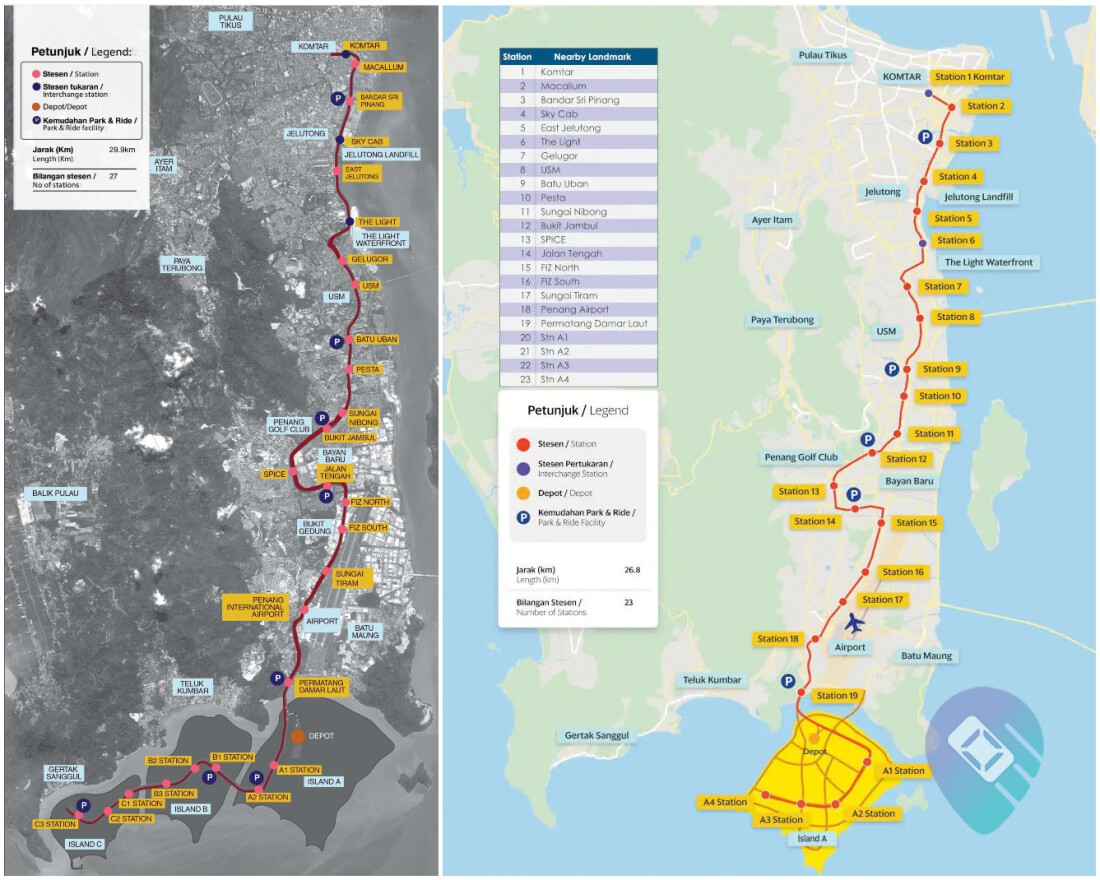
Benefiaries of Penang LRT Phase 1
2024-04-02
|
Real Estate
|
Tags: Penang LRT
Developers with landbank along the alignment
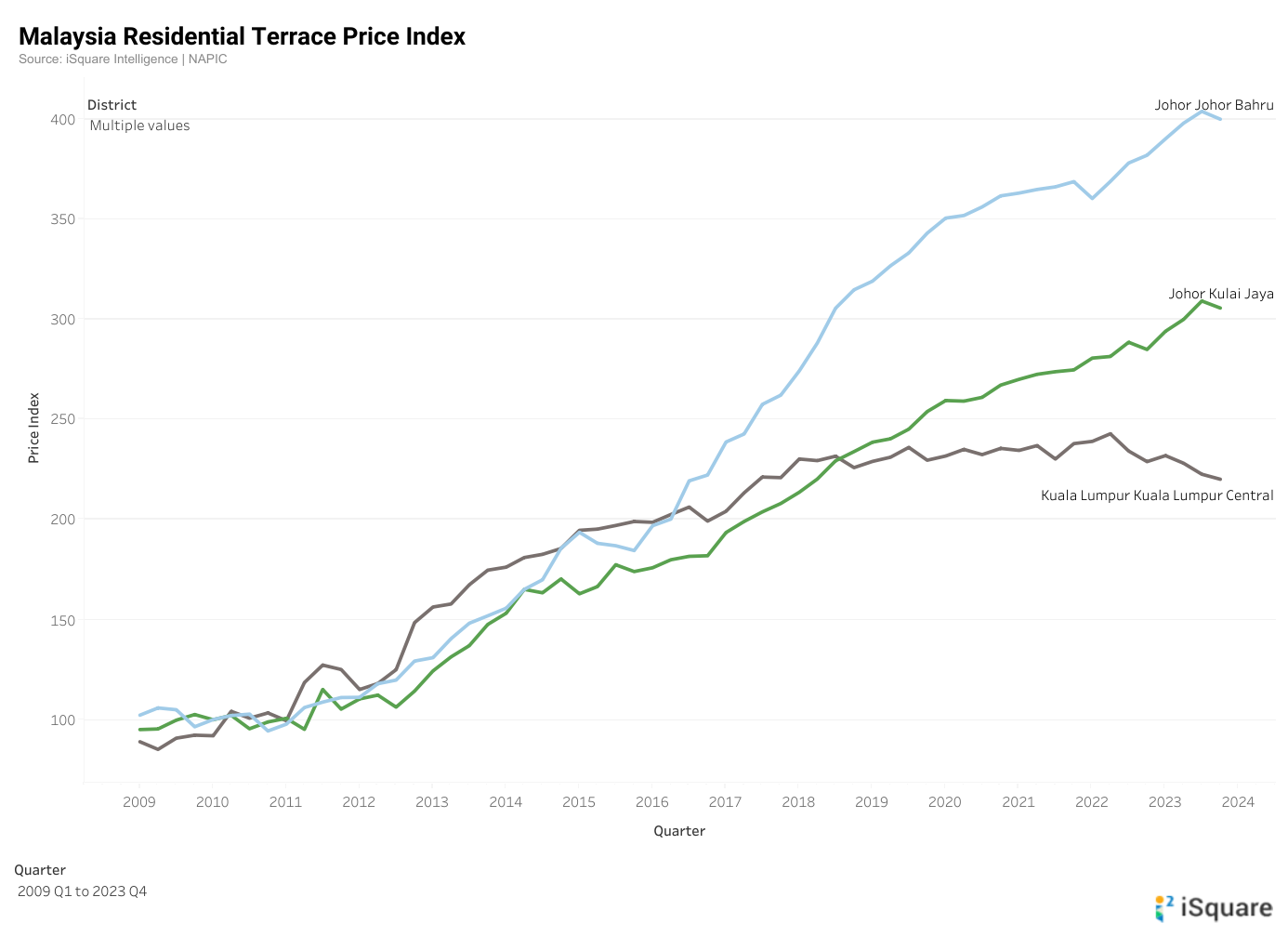
Cities with outperforming properties prices
2024-04-01
|
Real Estate
|
Tags: Price Index
Johor Bahru and Kulai properties benefited from the strong SGD
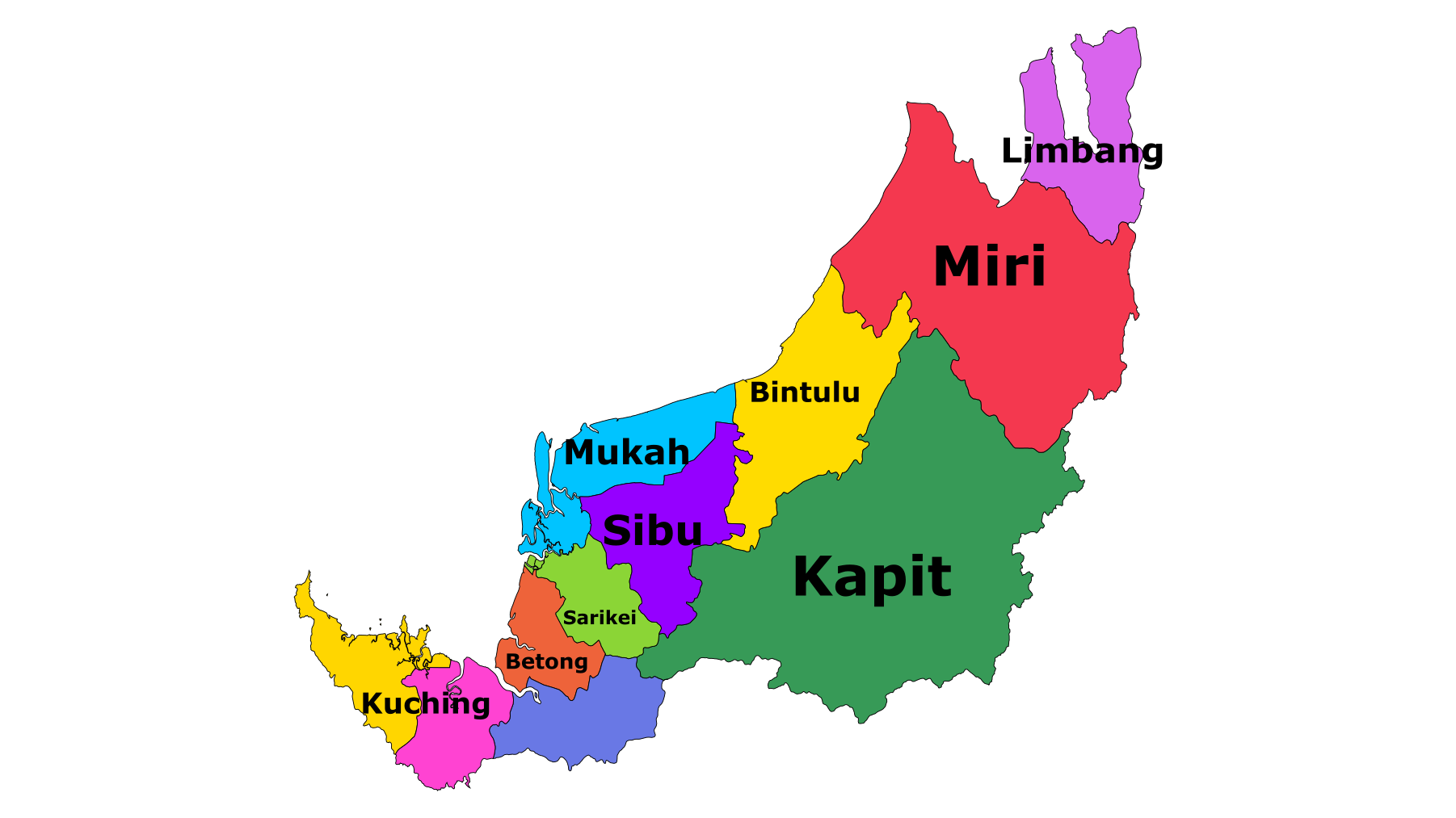
Big news in Sarawak's real estate scene
2024-01-08
|
Real Estate
|
Tags: Sarawak
Affordable Housing Requirement Lifted for Large-Scale Developers in Sarawak